Friday, September 9, 2011

Kabbage Provides Funding for Online Sellers


I’ve been hearing a lot about Kabbage recently, so I tried them out a few weeks ago.  Kabbage provides funding just for online sellers.  Borrowing money is not always the wisest choice for personal use but for business - it can help to "get over that hump".

Here’s how it works:

1)      Enter your Amazon ID or eBay ID, so they can check your online selling history.

2)      If you have a sufficient activity, complete the application.

3)      See how much money you are offered & choose the amount.

4)      The funds will be in your PayPal account in less than 5 minutes.

5)      You will now have a 6 month payment plan set up on PayPal – with a reasonable interest rate.


I believe there are some minimum requirements:

  • You need to have a selling history of at least one year
  • There is a minimum monthly revenue requirement on Amazon or eBay

About Kabbage (Taken from their website)

Kabbage provides working capital to online merchants as they list products for sale, leveraging information generally available on online marketplaces to assess risk and help determine advance amounts and related fees and interest. This approach allows Kabbage to understand our customers better and, as a result, provide them with cash as and when they need it.

Kabbage embarked on its unique business model in late 2008 and in April 2010 began making its first advances to marketplace sellers. Since then we have expanded to multiple marketplaces to help serve online sellers.  For more information, please visit Kabbage.com.

.

Monday, August 22, 2011

Unadvertised Book Sales


One of the most profitable ways of finding inventory is going to a library book sale that is NOT advertised on BookSaleFinder.com.  The reason is simple – you will most likely be the only one there with a scanner (i.e. buying for resale purposes).  So you will get all the profitable inventory for yourself.

My biggest score at an unadvertised book sale was on a Friday afternoon in a suburb of Chicago.  The library was culling their inventory and selling their books for a $1 a bag.  I knew this was going to be a good day because I was finding many ex-library books worth $50+ and a few worth over $100.  I walked out about 3 hours later with 16 bags and a total investment of $16.  When I got home, I rescanned the books and the total Amazon value was $4000!  Needless to say, I was the only one at that sale with a scanner.

There are a couple ways to find unadvertised book sales.  The first way is to do your own research.

1)      Do a Google search of every library within 2 hours of your house.

2)      Call (or email) them and ask when their next annual or semi annual library sale is.

3)      Check booksalefinder.com and see if that sale is listed on there.

4)      If it is not – then you have a winner.  Write down the date and location on a big desk calendar.


Another possible angle...might be using the new website Book Sales Found.  They contact every possible book sale source in the country including libraries, hospitals, and universities.  Many times these sales are not advertised on any other website.  It's currently $10 a month with a 7 day free trial.


Sunday, July 24, 2011

Amazon FBA Long Term Storage Fee

Just a reminder…you have less than two weeks to remove any excess FBA inventory for free.

On August 15th, Amazon will be charging a long term storage fee for items that have been in storage for longer than one year.  The fee is $45 per cubic foot (about $1.10 for an average size book and $4.58 for an average size toy).

It is IMPORTANT to note that this only applies to items with multiple ASIN numbers.  In other words, you will only get charged if you have more than one copy of the same item.

Currently, Amazon is letting you destroy items for free (if they have been in storage for longer than 270 days).  You have until August 15th to take advantage of this deal.  You can also have items sent back to you for only $.20 each (this includes shipping).

I’m personally using this as an opportunity to get rid of about 5,000 mass market paperbacks that have been sitting in storage for about 3 years.  The price of most FBA mass market paperbacks has dropped well below $3.00 which makes it virtually impossible to profit from these books.  In my opinion, destroying them for free is the best option.

Amazon has just released a new tool that identifies and removes inventory that is a risk of being charged the long term storage fee.  I just tried it and it was extremely easy.


Sunday, July 17, 2011

Do you Need a Budget?

"Anyone who lives within their means suffers from a lack of imagination."
-Oscar Wilde


I’ve always been a free spender, so I thought I’d try something new and actually check all my personal expenses for the previous month.  I knew it would be painful, so this is something I’ve been avoiding for a while.  What I saw was not surprising:  lots of money spent on groceries, restaurants, and monthly fees that I don’t need.  I spent over $750 a month on groceries and restaurants.  That’s insane - especially for a single person. 

So for the first time in my life I tried using a budget.  I’ve always hated this idea because I thought budgets were boring and unimaginative - hence, the quote above.  I think most people don’t like the idea of a budget because they think it will limit their expenses and they will have to give up their luxuries.  The result is just the opposite – A budget will give you control of your finances.  It will make money work for you, instead of you working for money.

Here are the benefits of a budget:

1)  Smart Spending:  Having a budget will make it easier to shop.  When out shopping, you will always be tempted to spend money, but a budget will help you realize that you are stronger than an advertisement.  I  find myself taking the time to compare shop at the grocery store and actually buy a generic brand for once.

2)  Treat yourself:  A budget (that you stick to) will lead to rewards.  Whether you are budgeting for a vacation or a new Droid phone, you will see the benefits.

3)  Stress Relief:  There will be no surprise expenses in your bank account.  You will not fear when that big check will clear.  You will save money in overdraft fees.

4)  Build Wealth:  Using a budgeting software can help you save money.  Every dollar you make will have a specific job to do.  Money will be set aside either to pay off debt or invest.  Either way – your bank account will be growing.

5)  Control:  You are in the financial drivers’ seat.  If you’ve prepared a budget properly, then you will know in advance how any spending will affect your financial position.  This can give you confidence and a sense of well-being knowing that you can make informed choices now.

6)  It’s fun!  Maybe this is the nerd coming out in me, but it is fun to track expenses to see how much money you saved.  I saved over $275 a month on groceries alone in my first month on a budget.  Saving money is not fun if you don’t track it.  However, if you can see that savings on paper - it makes it much more real.


Savings from my first month on a personal budget:

Groceries:  $279
Restaurants:  $115
Unnecessary Monthly Subscriptions: $159

Total Money Saved:  $553


What Software I use:

I’ve been using the software program: You Need A Budget.  It’s very simple, intuitive, and easy to use.  Just check out the ratings on Amazon.  I've attached a video below.

I also just read a great book by Dave Ramsey called, The Total Money Makeover.  It's a simple but powerful book on money management and staying out of debt.


Monday, July 4, 2011

Neatoscan now shows FBA Prices

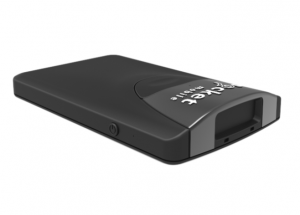
I’ve been doing a lot of scouting lately - mostly due to the recent changes in Neatoscan’s software.  They now list FBA prices on the scanner.  Knowing the FBA price has definitely helped me make better buying decisions when I’m out searching for inventory.

Here is a screen shot:


Their new beta program called Neatopricer 4 Beta shows the lowest 5 FBA offers.  Plus, they have 21 Amazon product listings – so you are not limited to just media items.

I have been able to make better buying decisions because:

1)  When an item is flooded with lots of lower-priced FBA offers, I may not buy it.
2)  If an item has no other FBA offers, I know that I can sell it for a higher price.
3)  I can add toys and other non-media items to my inventory.

Toys are a bit different from media items because (in my opinion) you absolutely must use FBA to sell them.  When you sell toys via FBA you qualify for the Featured Merchant category.  As a result, your item will be listed in the top 15 on that page.

To get an idea of what I’m talking about, look at the number one best selling toy on Amazon.  The first nine offers are FBA and then Amazon comes in around 10 or 11th place.  Anyone trying to sell this item without using FBA does not stand a chance.  Therefore, it is essential that you know the existing FBA offers when scouting for toys.

Anyway, here’s what I’ve been finding on my scanning ventures:

1)  NEW TOYS – I’ve been going to the clearance shelves in department and drug stores such as Walgreens, Wal-Mart, Target, Marshals, etc., and doing pretty well.  After fees, I usually double or triple my money.  Plus, it’s a refreshing change to go into a nice clean store as opposed to that musty old smell of thrift stores.

*Hint*  I have absolutely been cleaning up in locally owned department and drugs stores in my area.  If you have some department stores in your area that are not national chains - I highly recommend that you check those out.

2)  VHS TAPES – This has been extremely profitable for me.  Most thrift stores sell these for $.50 to a $1, and I routinely sell these for $10 on average.  I have sold many for $50+. 

3)  CDS AND DVDS – I find quite a few profitable CDs and DVDs.  The only problem with these is the maintenance.  I usually have to repair the scratches and replace the cases with new ones.  

4)  BOOKS – In my experience, books are usually picked over in thrift stores.  I usually check those last (if at all).  Library sales and yard sales are a much better place for books.

In conclusion, buying and selling toys has been nice additional revenue stream.  I wouldn’t be able to do this without knowing the other FBA offers when I’m out scouting.   My personal goal is to become an FBA toy expert within the next 3-4 months.  Just in time for the Christmas rush!

For more information on selling toys (and much more) on Amazon FBA, please read Steve Weber's new book: Barcode Booty

Friday, May 13, 2011

12 Tips for Staying Productive While Working from Home


I’ve been working from home for nearly four years as an Amazon seller and an internet marketer.  It definitely has its advantages and disadvantages (as I described in an earlier blog post).  Here are some tips that have helped me stay productive.


1.)  Get out of the house and work.  If you have something to do that only requires a laptop, I would recommend going to a coffee shop or a library.  If there is a university library near you, I would choose that one.  The energy and vibe of the college students makes it a really productive place to work.  Plus, most of these libraries have great work stations with outlets for your laptop.

You will also have the benefit of being around people all day as well.  Even if you don’t directly talk to any of them, it does help when everybody is on the same page and working around you.


2)   Separate work from home.  If you can’t leave the house, have a room (or a space) dedicated to work.  That way when you enter it, you’ll consciously know that it’s time to work.


3)  Dress up like you were going to a 9-5 job.  This will make you feel employed and will give you that psychological edge in getting this done.   The alternative is waking up in your pajamas and going directly to the computer before taking a shower.  I did this for months in a row and it is extremely counter productive.


4)  Read The 4 Hour Work Week by Timothy Ferris.  It is required reading.  Enough said.


5)  Get a life (or a hobby).  The one thing that I’ve noticed about working from home is that it helps to have a social life.  I thought that if I locked myself in my apartment for two weeks straight - I would get so much done.  The result is just the opposite: I get nothing done.

I’ve noticed that when I go out with friends or family, I come back the next day refreshed and excited about my work.  It’s like hitting the reset button.  If you don’t have friends or family nearby, I would recommend joining a club or a sports team.  I joined a Euchre (a card game with roots in the Midwest) club on meetup.com, and we meet every two weeks in a bar to play cards.  I’ve also joined a softball team as well. 


6)  Work the same hours every day.  Remember you are in control so you can make your own hours.  Let’s say you want to work 10-7 every day with a two hour lunch break.  That sounds great – just stick with it.  When 7 pm comes around and you are having a creative break though.  Stop.  You will have something to look forward to the next day.

I can’t tell you the number of times that I’ve worked until midnight and woke up the next day feeling like crap.  The entire next day was shot.  Plus, this gives you the necessary structure to separate your life from work.  You don’t want to become your work.  You’ll burn out.


7)  Take your weekends back.  Don’t work or go on the internet during the weekend.  Here’s what I do.  I have a storage unit a couple miles from my home.  I put my laptop in there from Friday night until Monday morning.  Viola!  I have a real weekend.  All of a sudden it’s like 1994 again – no internet.

I cook, clean, watch movies, read, visit family and friends, meet new people, and I travel.  My attention span is back and my mind is a thousand miles away from that dreaded Gmail Inbox.


8)  Be grateful that you’re working from home, and not in some cubicle with a job you hate.


9)  Give yourself breaks. Don’t be locked in the room all the time.  For every hour you work, have a 15-30 minute break.  Give your mind time to digest what it’s just done, then come back.  You’ll improve the quality of what you produce a hundredfold.


10)  Keep three lists of three.  The first list has three things you will do today.  The second is three things you’d like to get done, but aren’t essential.  The third is three things that need to be done at some point.  This should keep you productive all day long without running out of things to do.


11)  Keep your workspace clean.  Almost everyone enjoys a clean workspace.  It is even more essential when you work from home. 


12)  Keep the house tidy before you start working.  It is really difficult for me to focus on work when there is an unmade bed and dirty dishes in the sink.  These things can linger over you when you are trying to get things done.  Sometimes, I’ll go to the next room to find a pen, and the next thing I know – I’m doing laundry.


Wednesday, May 4, 2011

Who am I? How did I get Started in this Business?

My name is Nathan Holmquist, and I grew up in the small town of Roscoe, IL.  I've pretty much lived in Illinois my whole life until a couple years ago when I moved to Seattle, WA.

My first online money-making epiphany occurred in the fall of 2002.  I stumbled upon an online poker site.  I was absolutely fascinated by the idea of making money online.  I had already made up my mind to learn the game, become a pro, and make a ton of money in the process.

Well after about three years of making (and losing) money it started to occur to me that this was a dead end.  In fact, I was most likely addicted to poker (or the internet).

The year was 2005, and I was looking another way to make some money.  I had just graduated from graduate school, and I listed a textbook on Half.com.  To my surprise it sold that night.  I just made an easy $50.  I was hooked again on all the possibilities.

Now, I just needed a way to acquire (lots of) used books.  So, I went to the library and copied down all the ISBN numbers of a few of the used books that they were selling.  I ran home – looked them up on the internet – and ran back to the library.

There was one book that was worth about $8 online, and the library was selling it for 50 cents.  I, of course, bought it and listed it on Half.com.  It sold that night!

I was ecstatic!  I had just discovered a real business on my own.  This was a real tipping point in my life.  Now all I had to do was – go to library sales – buy books cheap – resell them online.

Oh yeah, the name of the first book that I bought at that library sale was called The Tipping Point: How Little Things Can Make a Big Difference by Malcolm Gladwell.

Go figure.

I've since dabbled in Internet Marketing and of course Amazon FBA.  I hope to find new and exciting ways to make money and add value to the world.  I will keep you posted on anything that I find new, interesting, and profitable.

By the way, on April 15th, 2011, the FBI closed down all the major poker sites in the US.  I’m glad I quit poker six years ago.